As landfills across the United States reach capacity and disposal costs soar, Waste-to-Energy (WTE) has shifted from an environmental “nice-to-have” to a strategic financial tool. For commercial and industrial manufacturers, the math is simple: traditional landfilling is a sunk cost, while WTE represents an opportunity to recover value from every pound of waste generated.
Key Takeaways for 2025
- Rising Costs: The national average landfill tipping fee rose to $57.63 per ton in 2024, with some regions like the Northeast exceeding $84 per ton.
- Market Growth: The US Waste-to-Energy market is valued at approximately $2.6 billion and is growing as more companies pursue “Zero-Landfill” status.
- Financial Benefits: WTE reduces long-term liability, avoids rising landfill taxes, and creates new revenue through energy sales and metals recovery.
- Proprietary Solutions: Engineered fuels like LJP RDF™ and LJP ReFuel™ allow businesses to replace expensive coal and fossil fuels with high-BTU waste products.
The Rising Price of “Business as Usual”
For decades, landfilling was the cheapest disposal method. That is no longer the case. National average tipping fees have increased by nearly 133% over the last 35 years.
| Region | Avg. Tipping Fee (2024 USD/Ton) | Why Costs Are Rising |
| Northeast | $84.44 | Severe capacity shortages and landfill closures. |
| Midwest | $50.00 – $65.00 | Increasing environmental regulations and transportation costs. |
| National Average | $57.63 | Inflation and stricter federal compliance standards. |
Beyond the basic gate fee, businesses must account for “cost avoidance.” By diverting waste to a WTE facility, you minimize the risk of future environmental liabilities and the rising taxes associated with traditional dumping.
Generating Revenue from the Waste Stream
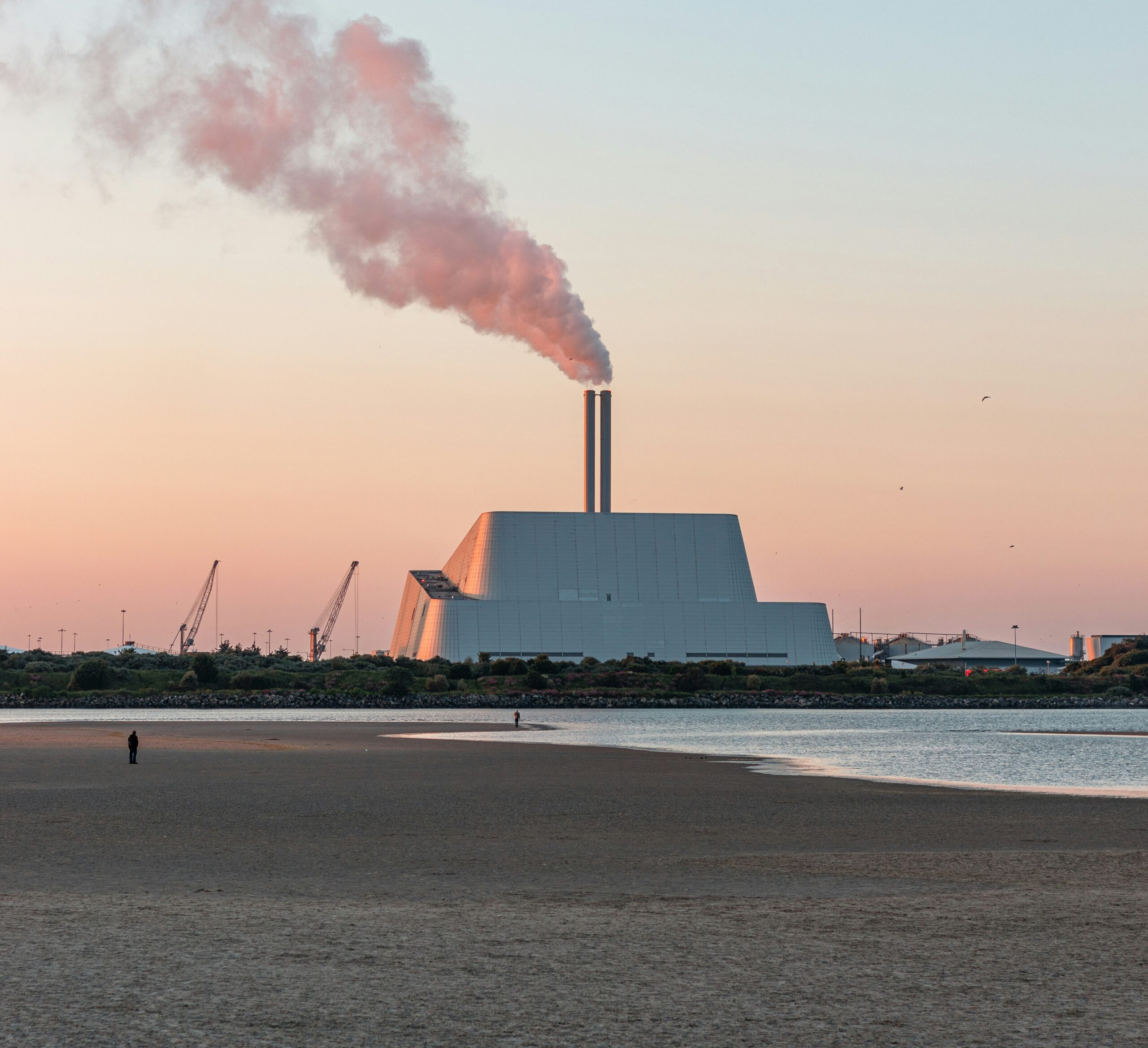
A modern WTE facility doesn’t just “burn” trash; it acts as a power plant. By processing waste into energy, facilities create multiple streams of income that help offset operational costs for the business.
- Energy Sales: On average, WTE plants export 550 kWh of electricity for every ton of waste processed.
- Metals Recovery: Sophisticated sorting systems can pull ferrous and non-ferrous metals (like aluminum and steel) from the ash after combustion. This can add 4-7% to a project’s total revenue.
- Investment Tax Credits: Under the Inflation Reduction Act, facilities that export waste heat to district networks can receive a tax credit of up to 30%, significantly improving the return on investment.
Proprietary Fuels: LJP RDF™ and ReFuel™
LJP Waste Solutions has spent over 30 years refining the process of turning industrial waste into a high-value commodity. Instead of sending mixed waste to a mass-burn plant, LJP creates engineered fuels tailored for specific industries.
- LJP RDF™ (Refuse-Derived Fuel): A solid, waste-based energy source used by power plants like Xcel Energy’s Wilmarth facility in Mankato, MN. It provides a clean-burning alternative to traditional fossil fuels.
- LJP ReFuel™: A biogenic, carbon-rich fuel substitute specifically designed for industrial boilers and cement kilns. Using ReFuel™ allows manufacturers to replace coal with a lower-carbon option, often reducing fuel costs by up to 20%.
The Environmental ROI: Carbon and Compliance
Sustainability is no longer just a marketing slogan; it is a reporting requirement. Using WTE helps businesses meet aggressive Environmental, Social, and Governance (ESG) goals.
- Carbon Neutrality: Diverting one ton of waste from a landfill to a WTE facility saves approximately one ton of CO2 emissions. This is equivalent to the CO2 released by burning 1,000 pounds of coal.
- Methane Mitigation: Landfills are a leading source of methane, which is 28 to 34 times more potent than CO2 over a 100-year period. WTE eliminates this methane production entirely.
- Audit-Ready Reporting: LJP provides detailed waste reports for every client, documenting exactly how much material was recycled versus converted into clean energy.
Looking Ahead: US WTE Outlook (2025–2032)
The US Waste-to-Energy market is projected to reach $14.19 billion by 2032. This growth is fueled by a shift toward the “Circular Economy”—a model where waste is never “thrown away” but instead kept in use as a resource for as long as possible.
For companies in Minnesota and the Midwest, partnering with a regional leader like LJP Waste Solutions provides a path to Zero-Landfill status without the high capital risk of building a private facility.
Request Your Free Waste-to-Energy Consultation
Are you ready to turn your disposal costs into a competitive advantage? Discover how LJP Waste Solutions helps businesses across Minnesota and Northern Iowa reach their zero-landfill goals while boosting the bottom line.