
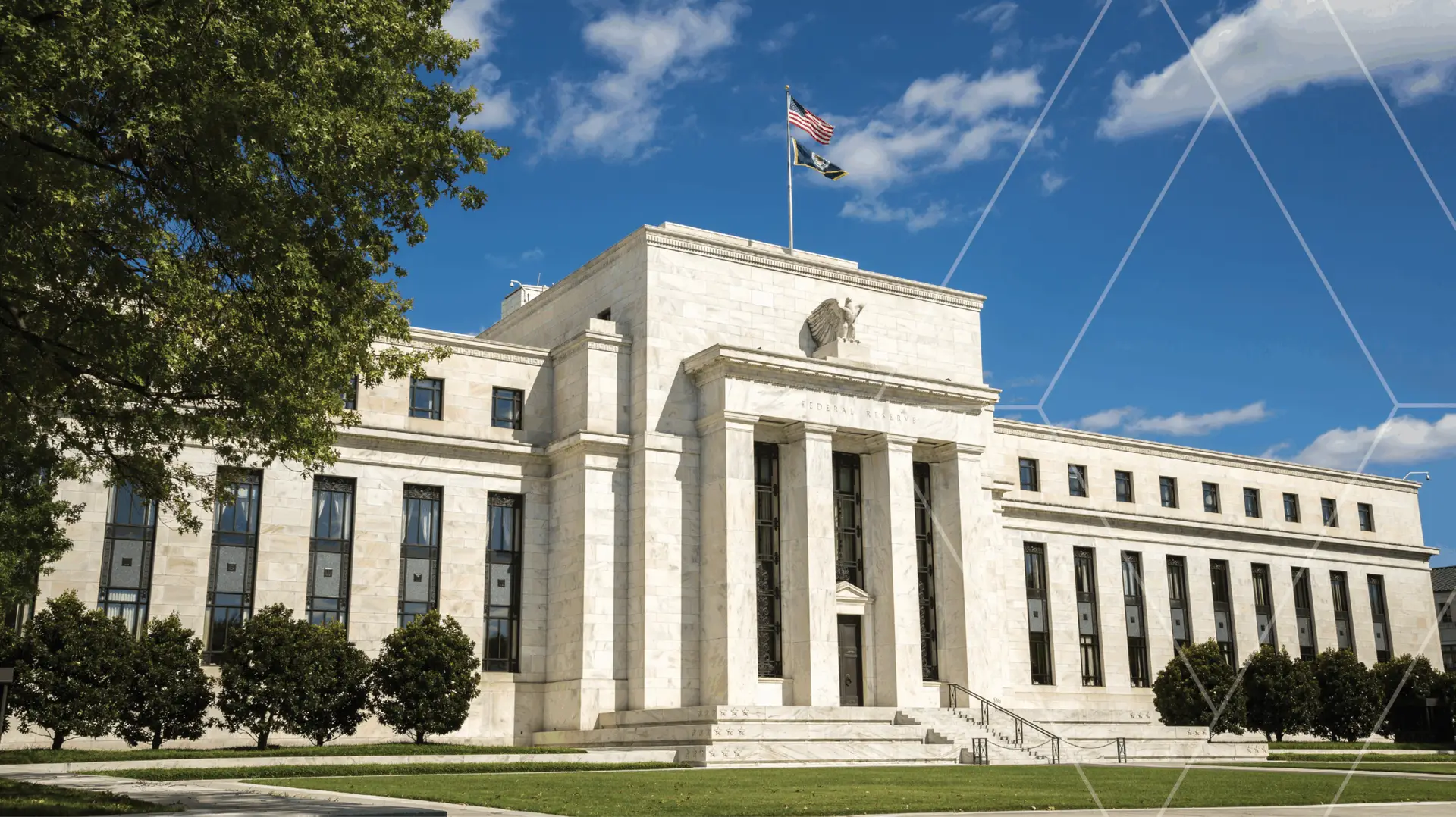

The announcement that Kevin Warsh has been selected to serve as the next Chair of the Federal Reserve marks a consequential moment for U.S. monetary policy. His nomination comes at a time when markets are navigating the intersection of uncertainty around inflation, evolving productivity dynamics, and renewed debate over the proper scope and posture of central banking.
While confirmation proceedings remain ahead, Warsh’s background, prior public statements, and policy orientation offer meaningful context for evaluating what this leadership transition could signal for markets and the broader economy.
A Historical Record Rooted in Crisis Management and Market Literacy
Warsh is no stranger to the Federal Reserve or periods of systemic stress. He served on the Federal Reserve Board of Governors from 2006 through 2011, becoming the youngest Fed Governor in history at the time of his appointment. His tenure spanned the Global Financial Crisis, during which he played a central role as a liaison between the Federal Reserve, Wall Street institutions, and international policymakers.
That experience shaped his long-standing emphasis on credibility, discipline, and clarity in monetary policy. During the post-crisis period, Warsh cautioned against maintaining emergency-level accommodation for too long, warning in a 2009 speech that waiting until economic conditions had fully normalized before adjusting policy risked “waiting too long” and creating unintended financial distortions. His concern was not merely inflation in the narrow sense, but broader risks to capital allocation, asset pricing, and long-term financial stability.
This record underscores a consistent theme: Warsh approaches monetary policy with a deep awareness of how markets truly function, rather than how they appear in simplified economic models.
A Call for Recalibration, Not Ideology
In the years since leaving the Fed, Warsh has emerged as a thoughtful critic of what he views as institutional drift within central banking. He has argued that the Federal Reserve expanded its remit too far following the crisis—particularly through balance-sheet expansion and extensive forward guidance—blurring the lines between monetary policy and broader economic management.
Importantly, his critique is not rooted in rigidity. Warsh has emphasized that policy must adapt to structural changes in the economy, including productivity gains driven by technological innovation. In more recent remarks, he acknowledged that advancements such as artificial intelligence could exert disinflationary pressure over time, potentially allowing for lower interest rates without undermining price stability.
This combination—discipline on inflation paired with openness to structural growth drivers—suggests a framework that is neither reflexively hawkish nor politically prescriptive. Rather, it reflects a preference for clear objectives, fewer distortions, and policy credibility.
Early Market Signals and Institutional Confidence
Initial market reactions to Warsh’s selection have been constructive. Equity futures strengthened following the announcement, while the U.S. dollar firmed and gold prices retreated—signals consistent with increased confidence in monetary stewardship rather than fears of policy volatility.
Prominent investors and policymakers have echoed this view. Veteran market participants have noted that Warsh is not an ideologue, but a pragmatic policymaker capable of adjusting course as conditions warrant. International central bank leaders have publicly welcomed the nomination, citing his experience and understanding of the global financial system. These responses suggest that markets view the transition as stabilizing rather than disruptive.
Why This Development Leans Constructive for Markets
From a forward-looking perspective, Warsh’s selection carries several implications that may be viewed by some market participants as constructive:
First, experience matters. Having navigated the Federal Reserve through one of the most complex financial periods in modern history, Warsh brings institutional memory that is increasingly rare. That history tends to anchor expectations and reduce policy uncertainty.
Second, credibility supports confidence. Markets generally respond favorably to leadership perceived as disciplined, independent, and fluent in both policy and market mechanics. Warsh’s record aligns with those attributes.
Third, growth and discipline need not be at odds. His openness to rate flexibility in the presence of productivity-led growth suggests a framework supportive of sustainable expansion rather than short-term stimulus.
Finally, clear communication is often viewed favorably by markets. A Fed that communicates more precisely, relies less on experimental tools, and emphasizes consistent objectives can lower risk premia and improve capital allocation across markets.
A Measured but Optimistic Outlook
The role of the Federal Reserve Chair extends beyond interest-rate decisions. It shapes expectations, anchors confidence, and influences how households, businesses, and investors plan for the future. Kevin Warsh’s selection reflects a return to experience-driven leadership at a time when credibility and clarity are particularly valuable.
While confirmation hearings and future policy decisions will ultimately determine the direction of monetary policy, the historical record and early signals support a more constructive tone relative to recent uncertainty. As Tyler Hardt, CFA, our Chief Portfolio Manager, notes, for long-term investors this development is best viewed not as a dramatic shift, but as a stabilizing evolution.
Sources:
- Reuters — Bank of England’s response to Warsh nomination (timeline and context)
- Financial Times — Warsh’s position on AI productivity and implications for rates
- Reuters — Trump saying there is “not much doubt” about lower rates with Warsh
- Reuters — Scott Bessent testimony related to Warsh’s policy choices
- Financial Times — Stanley Druckenmiller on Warsh’s policy stance
- Investopedia — Overview of Warsh’s crisis-era Fed approach
- The Washington Post — Washington Post background on nomination and criticisms
- Associated Press — Profile of Warsh as nominee
- Business Insider — Economist and business reaction overview
- People.com — Narrative on nomination and biographical highlights
- Wikipedia — Kevin Warsh biography and Fed history
- Reuters — Warsh critique and balance sheet view (2026 coverage)
- Reuters — Warsh path to lower rates and criticism of balance sheet (2025)
- Hoover Institution — Warsh’s critique of the Fed’s mandate and inflation role
- FederalReserve.gov — Warsh speech on institutional credibility and independence
- Reuters historical — Warsh quote on financial crisis and interest rates (Reuters archive)
- Federal Reserve History — official Fed biography with dates and roles
This commentary is provided for informational purposes only and reflects the author’s views as of the date written. It is not intended as investment advice or a recommendation to buy or sell any security. Forward-looking statements are inherently uncertain and actual outcomes may differ materially based on economic conditions, policy decisions, and market developments.